Program Details
Losing Ourselves Together: A Conversation on Art, Perception, & Consciousness
Saturday, November 14 | 2:00–3:30 p.m. | GlasSalon
How does an art experience change the way we see, feel, and understand the world around us?
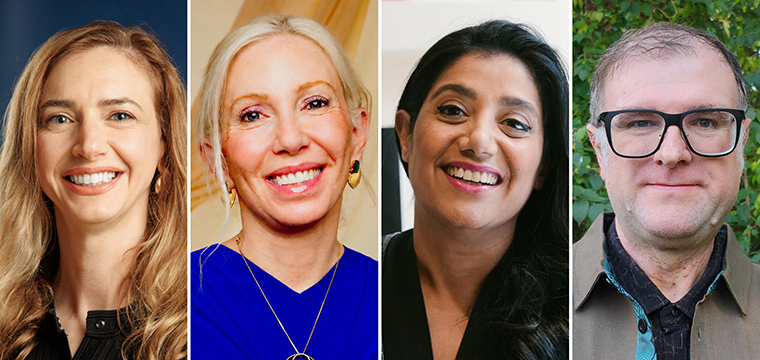
Join Toledo Museum of Art curator Paige Rozanski for a conversation with artist, architect, and designer Suchi Reddy, physician and neuroscientist Stephanie Hartselle, MD, and art historian Dr. Guy Jordan as they explore the powerful connections between art, perception, and consciousness.
Drawing inspiration from Losing Ourselves Together: The Art of Bobby Anspach , the panel will consider how immersive art and the spaces we inhabit can shape perception, alter consciousness, create transformative and awe-inspiring experiences, and deepen our understanding of ourselves and one another.
This free program is presented in celebration of the opening of Losing Ourselves Together: The Art of Bobby Anspach. Before attending the conversation, we encourage visitors to experience the exhibition for themselves. This exhibition requires a timed ticket for entry. Due to limited space, program registration does not include entry into the exhibition. To see the exhibition, reserve your free exhibition ticket here. Please note that this exhibition includes flashing lights, sound elements, and enclosed spaces.
If you need accommodations, assistance, or appropriate modifications to fully participate in this event, please let us know by contacting Access Initiatives at [email protected]. Please note that while we endeavor to provide everyone with a positive visitor experience, last-minute requests may not be accommodated; we ask for requests to be made, at minimum, three days prior to the event. Thank you.
If you've registered but can no longer attend, kindly notify the museum as soon as possible so we can accommodate others. You can contact us by phone at 419.255.8000 or by email at [email protected].
Panelist Bios
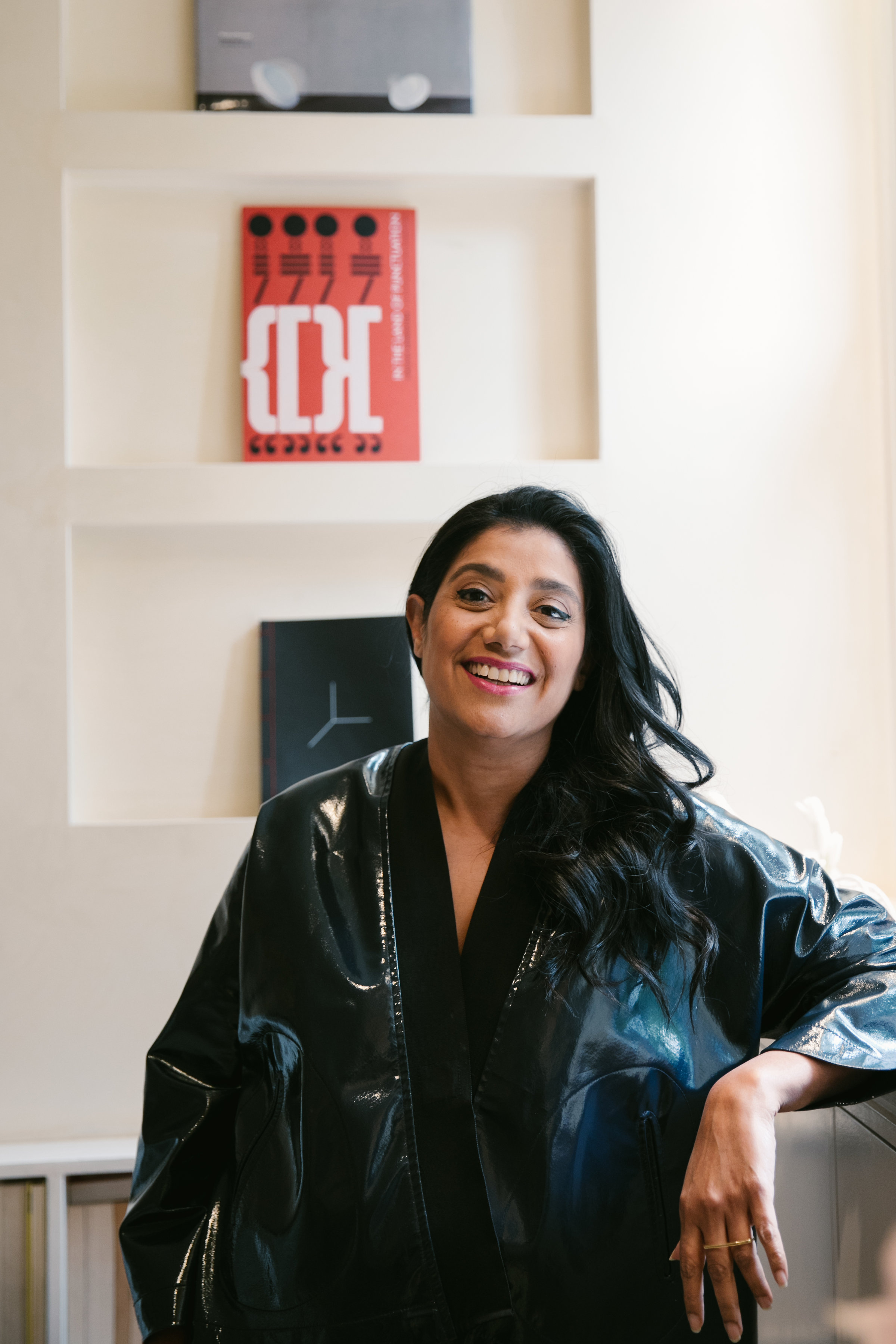
Suchi Reddy, FAIA, is an artist, architect, and designer whose practice is guided by the mantra "form follows feeling." Drawing on neuroaesthetics, the study of how design shapes perception, cognition, and well-being, she creates artworks, installations, and spaces that merge art, architecture, and science to foster empathy and belonging. Her work includes me + you, an interactive AI sculpture shaped by collective human expression, shown at the Smithsonian (2022) and Michigan Central Station in Detroit (2024); Becoming in Surrey, Canada (2024); Turbulence at the Brooklyn Botanic Garden (2025); Bias and Belonging at Colgate University's Clifford Gallery (2025); and Sift at ADFF's Pavilion Park in Mumbai (2026). As founder of the New York studio Reddymade, she brings the same research into hospital rooms, homes, and workplaces designed for well-being. She teaches at Columbia University and Cooper Union and lectures widely on how the built environment affects the body and mind.
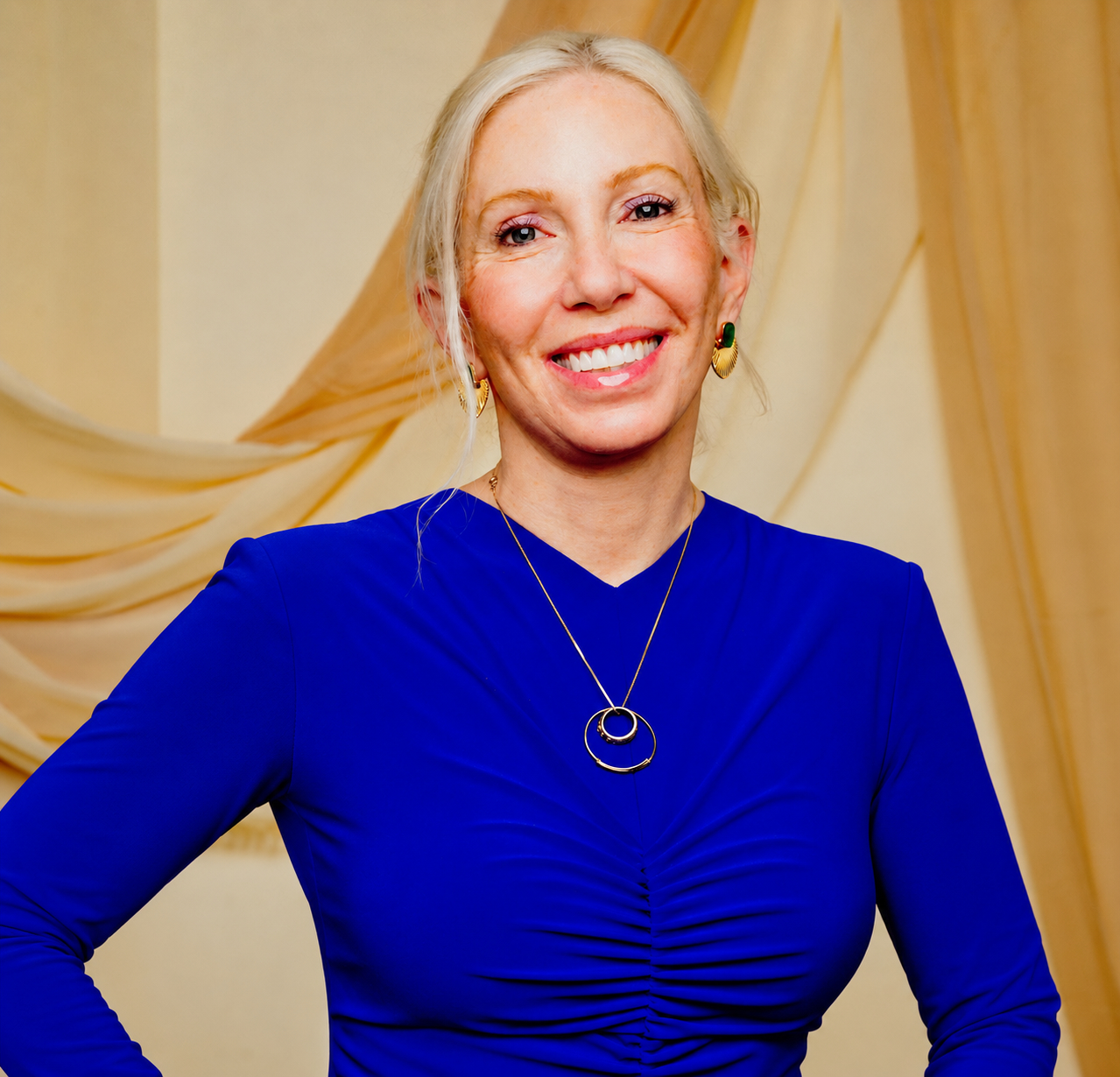
Dr. Hartselle serves on the board of the Bobby Anspach Studios Foundation. She is a Diplomate of the American Board of Psychiatry and Neurology; board certified in pediatric and adult psychiatry. Dr. Hartselle received her MD from Northwestern University in Chicago, Illinois. She completed her adult psychiatry training at New York University/Bellevue Hospitals and her child psychiatry training at Brown University where she served as chief resident. Previously, she directed the emergency psychiatry program at Hasbro Children's Hospital. She is trained in evidence based psychotherapy, holistic approaches to healing and advanced psychopharmacology. Her awards include three Dean's Awards for Excellence in Teaching at Brown University where she is a Clinical Associate Professor of Psychiatry, the National Association for Social Work Nancy Gerwitz Award for Social Justice and two consecutive national Junior Scholar Awards. She is a Fellow with the American Psychiatric Academy and a Distinguished Fellow with the American Academy of Child and Adolescent Psychiatry. Most recently, Dr. Hartselle has been teaching and lecturing on the interface of art, psychiatry and psychedelics as it pertains to creativity and potential healing.
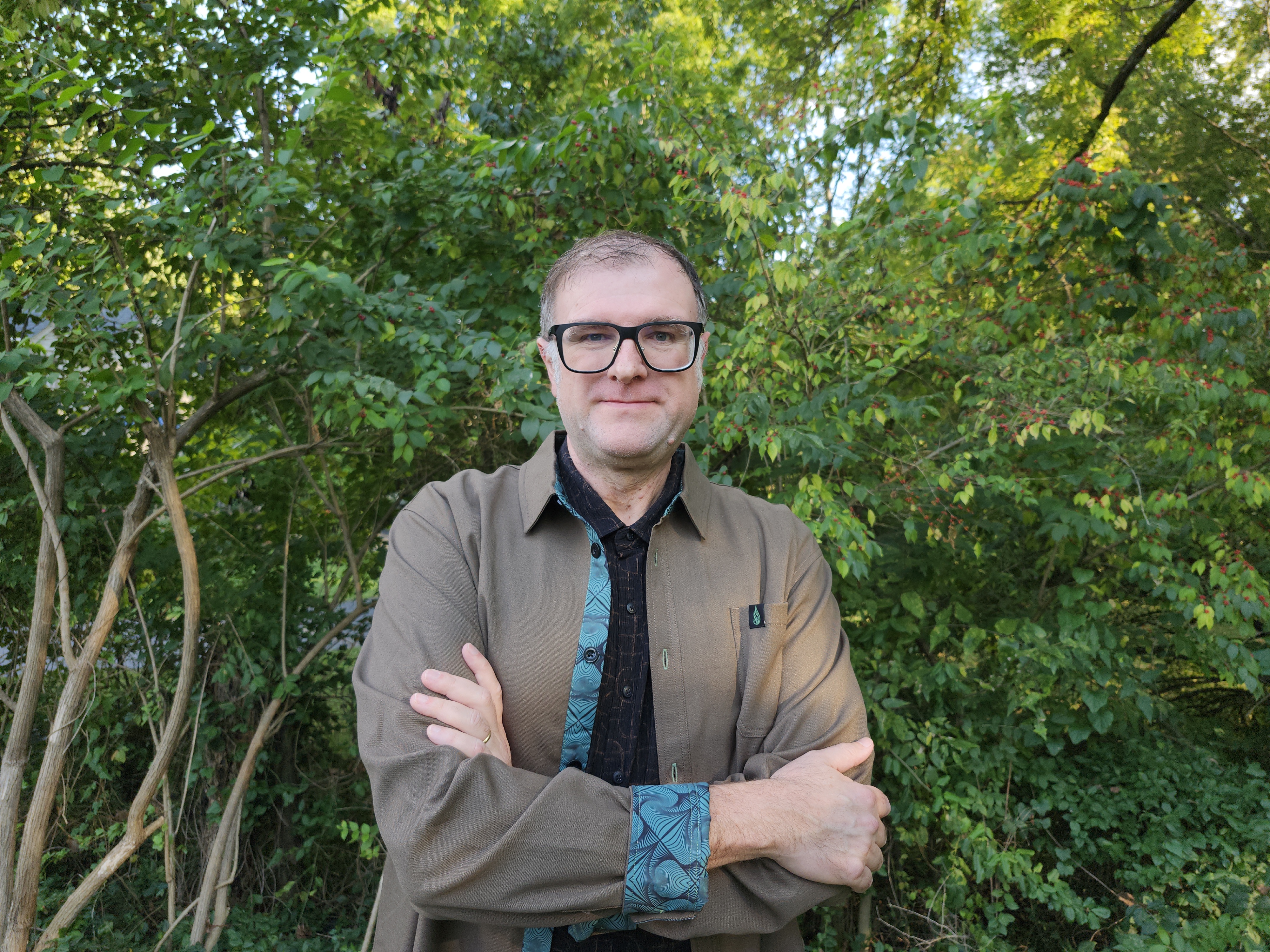
Guy Jordan is an Associate Professor of Art History at Western Kentucky University. His scholarship about the aesthetics of intoxication and metaphors of ocular ingestion in the art of Thomas Cole, Hiram Powers, and Charles Deas has appeared in the journals American Art, Visual Resources, and Panorama. His work has been supported by the Smithsonian American Art Museum, the Wyeth Foundation, The Center for Advanced Study in the Visual Arts, and the Terra Foundation of American Art. He is currently curating an exhibition about miniature portrait painting entitled Off the Wall that is scheduled to open at The Kentucky Museum at Western Kentucky University in September 2027, and is at work on a book project tentatively titled Mind Mirrors: The Psychedelic Turn in Contemporary Art.
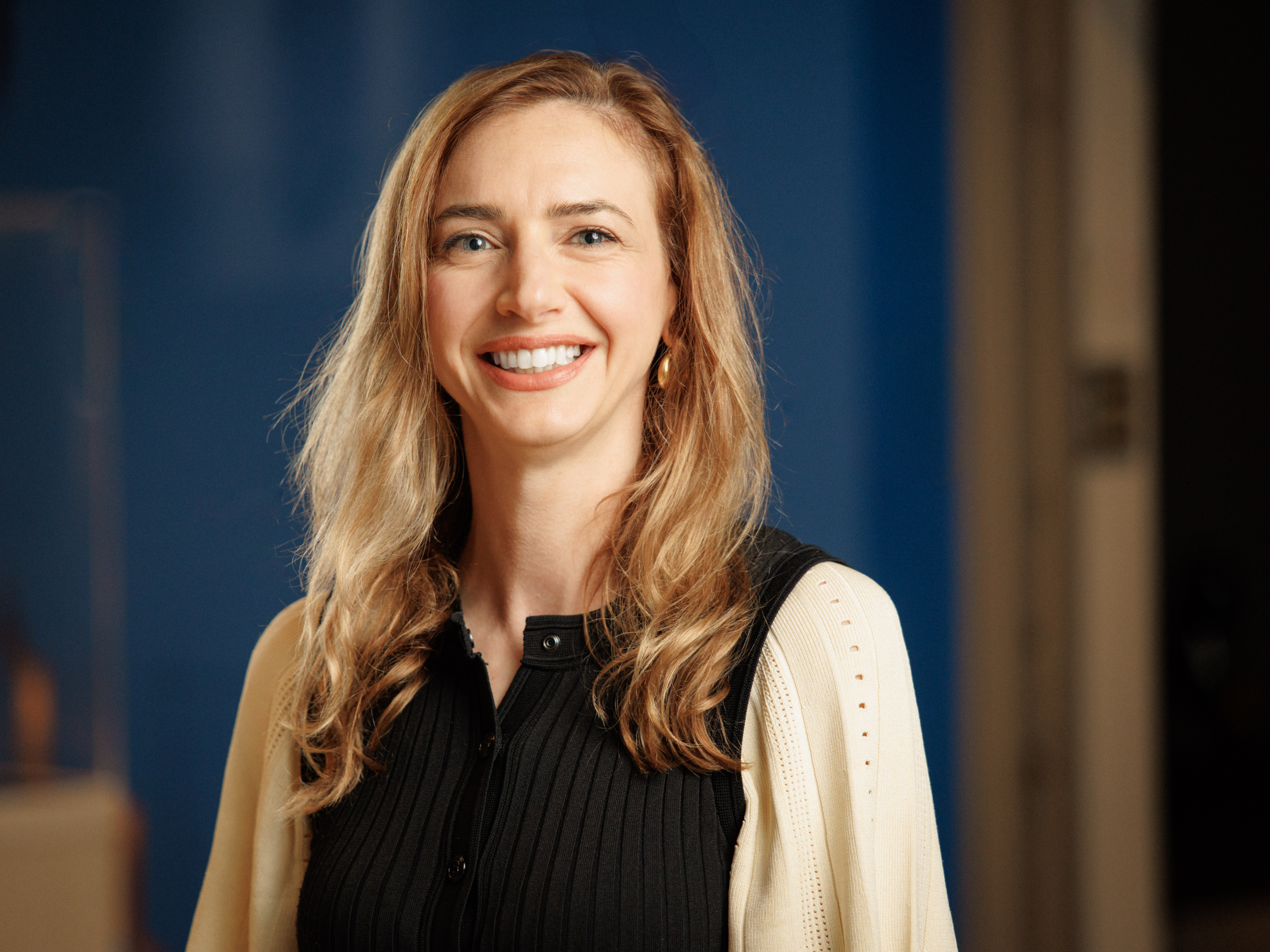
Paige Rozanski will moderate the conversation. She is the curator of Losing Ourselves Together: The Art of Bobby Anspach and the Associate Curator of Modern and Contemporary Art at the Toledo Museum of Art. At TMA, she has curated Beeple Studios: TRANSIENT BLOOM and Digital Artists in Residence: Dan Hernandez and Emily Xie. She previously spent more than a decade at the National Gallery of Art in Washington, D.C., where she contributed to major exhibitions including The Land Carries Our Ancestors: Contemporary Art by Native Americans and Los Angeles to New York: Dwan Gallery, 1959–1971. Her research focuses on postwar and contemporary art and visual culture, with particular interest in immersive environments, multimedia experimentation, and collaborative artistic practices. She has published several articles on the 1960s multimedia collective USCO, a group that sought to harness emerging media technologies to expand consciousness and foster transformative, participatory experiences. She holds degrees from Vassar College and Columbia University.